agent

Optimizing Agentic Workflows: How AReaL Simplifies Reinforcement Learning for Developers
You've pointed out a really slick project AReaL (which stands for Agent Reasoning and Learning). From a software engineering perspective

Architecting Autonomous Chatbots: A Deep Dive into AstrBot, Docker, and Python Plugins
Think of it as the "Swiss Army Knife" for building AI agents that actually live where people talk—whether that's Discord
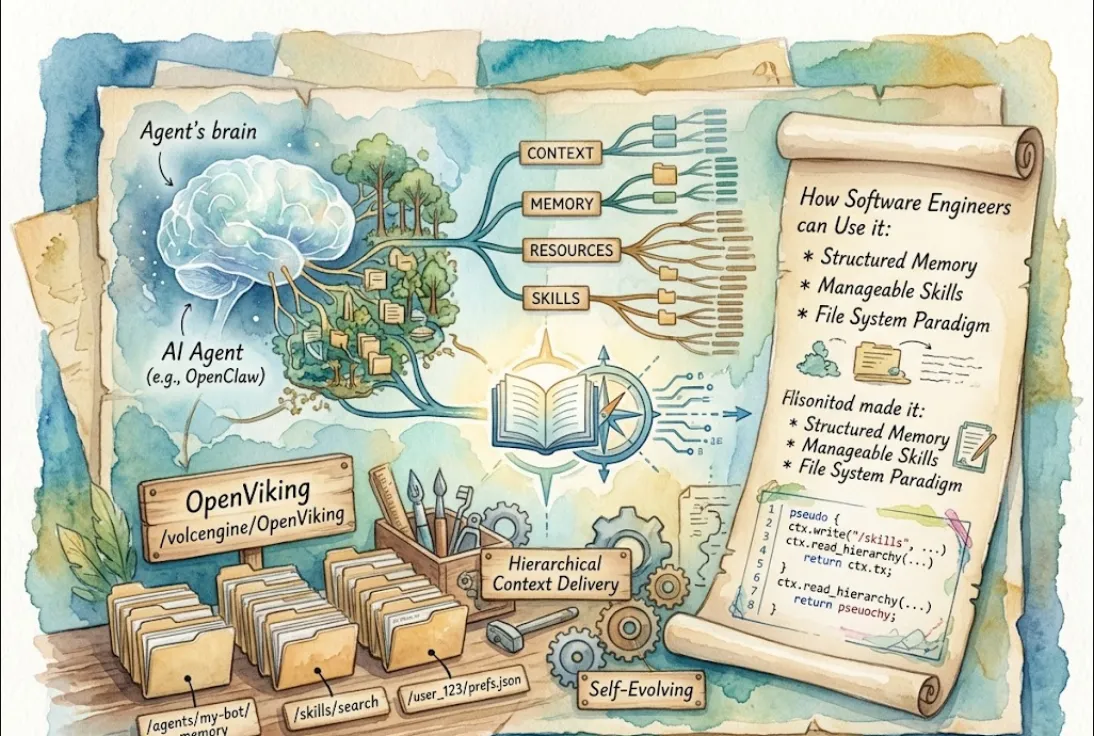
Beyond Vector DBs: Architecting Self-Evolving Agents with OpenViking
If you’re building AI Agents, you’ve probably realized that "context management" is where things usually get messy. OpenViking is a pretty slick solution because it treats an Agent's brain like a File System
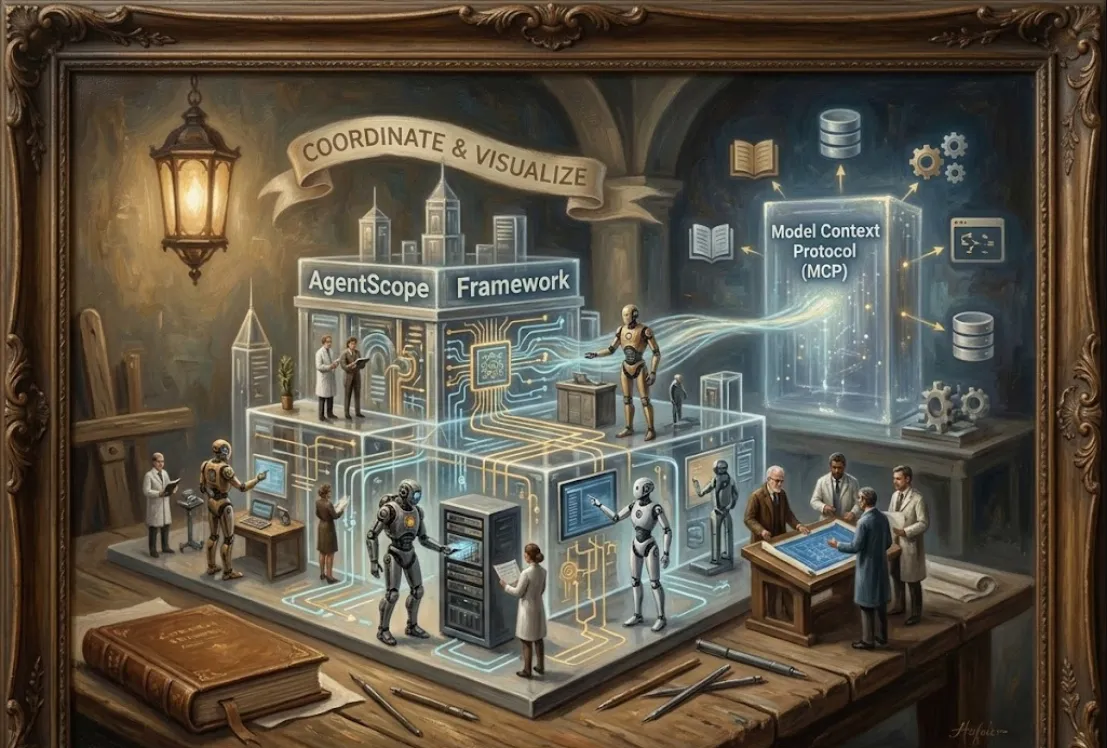
AgentScope Deep Dive: Scaling Distributed AI Agents for Production
Think of AgentScope as a high-level "orchestration" framework. If coding a single LLM call is like playing a solo, AgentScope is like conducting a full symphony of AI agents

Memory Management for AI: A Deep Dive into AgentScope's ReMe Kit
As a software engineer, you know that standard LLMs are essentially stateless—they only "remember" what's in the current context window

From Minutes to Hours: Mastering Multi-Agent Orchestration with Deer-Flow
Let’s dive into Deer-Flow by ByteDance. Think of it not just as another chatbot, but as a highly capable digital coworker that can handle the "heavy lifting" of research and coding

The Engineer’s Guide to LobeHub: Deploying, Scaling, and Collaborating with AI Agents
LobeHub (specifically the Lobe Chat ecosystem) is at the forefront of this shift. Think of it not just as a UI for LLMs

From Text to Interaction: Implementing Agent-Driven UI with Tambo and React
That’s exactly where Tambo comes in. Let’s dive into why this is a game-changer for React developers.In the world of AI
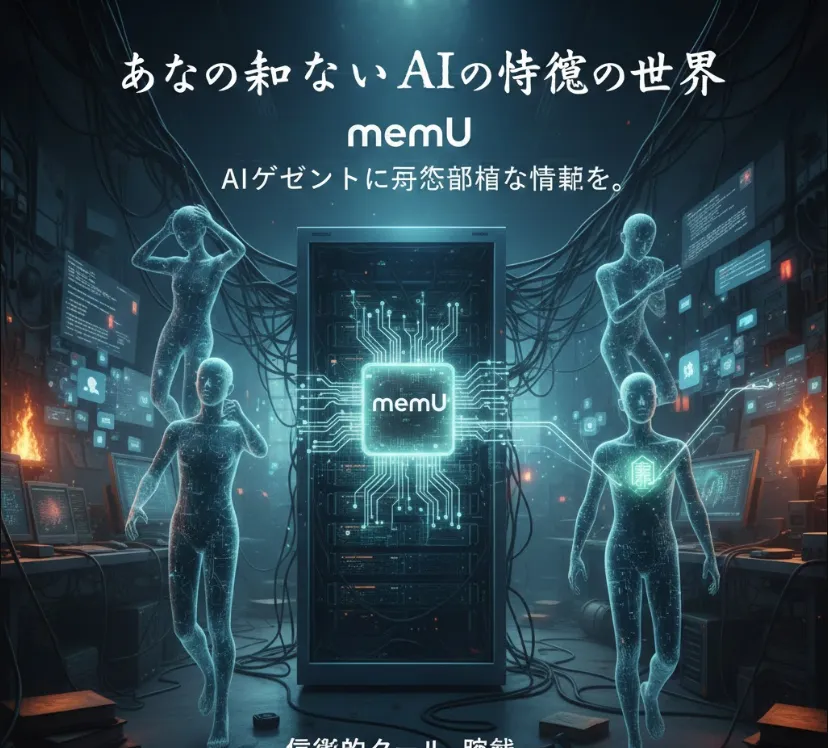
State Management for AI: An Engineer's Guide to Implementing memU
Usually, LLMs are like goldfishes—they have a great "now, " but they forget who you are or what you discussed as soon as the session ends
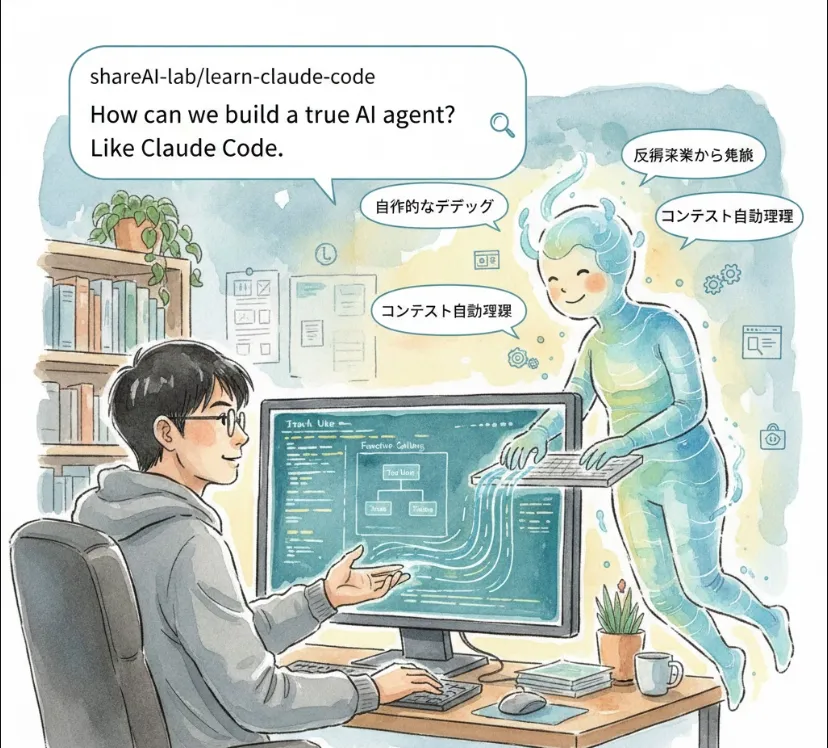
The Architect's Blueprint for Building Tool-Using AI Agents
It’s one thing to have a chatbot that talks; it’s another to have an agent that can actually think, navigate a file system
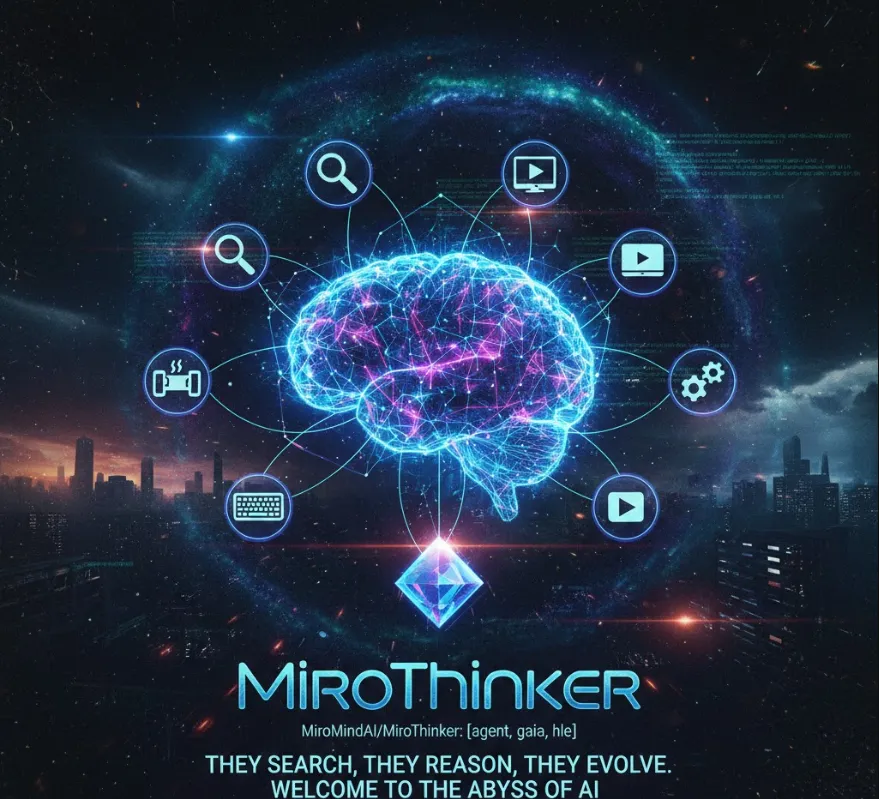
From Static LLMs to Agentic Intelligence: An Engineer's Guide to MiroThinker
Think of MiroThinker not just as a "chatbot, " but as a specialized Search Agent. For us developers, this is a big deal because it bridges the gap between static LLMs and the live
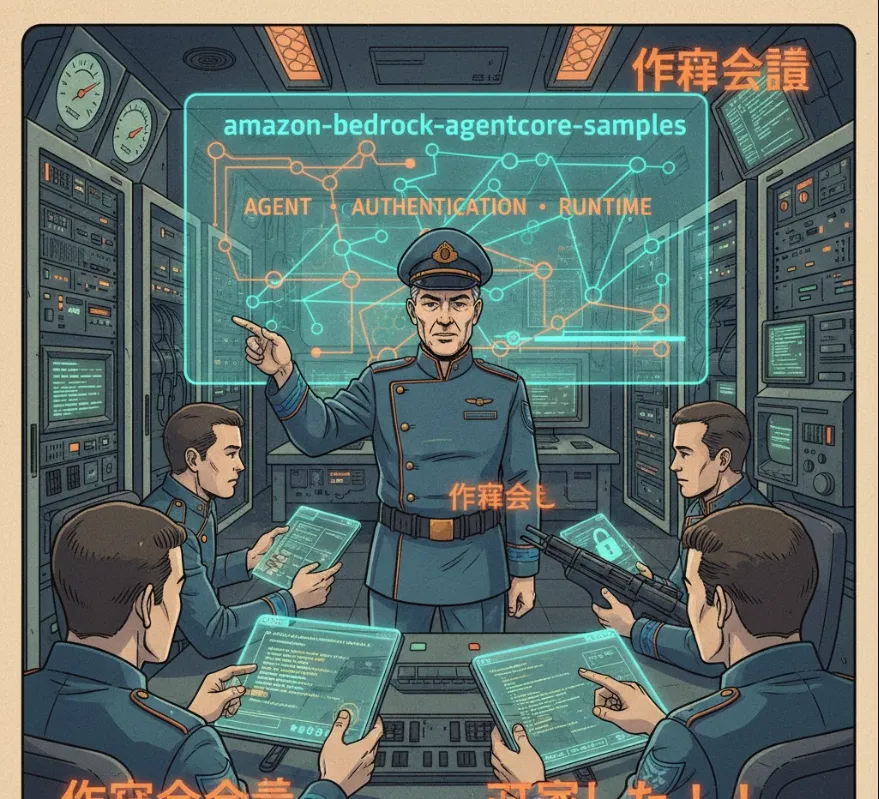
Architecting Enterprise AI Agents: Leveraging the Amazon Bedrock Agentcore Framework
That’s exactly where Amazon Bedrock Agentcore comes in. Think of it as the "Enterprise Framework" for AI agents. It takes the heavy lifting out of building agents that aren't just smart

Bridging Human Intent and AI Execution with Terminal-Based Kanban Boards
Let’s break down vibe-kanban from a developer's perspective.At its core, vibe-kanban is a terminal-based Kanban board designed specifically to bridge the gap between human intent and AI agent execution

From Logic to Canvas: Streamlining Agentic Workflows with Refly for Your Team
You've pointed out Refly, an intriguing project that sits at the intersection of AI Agents, Visual Workflows, and Canvas UI
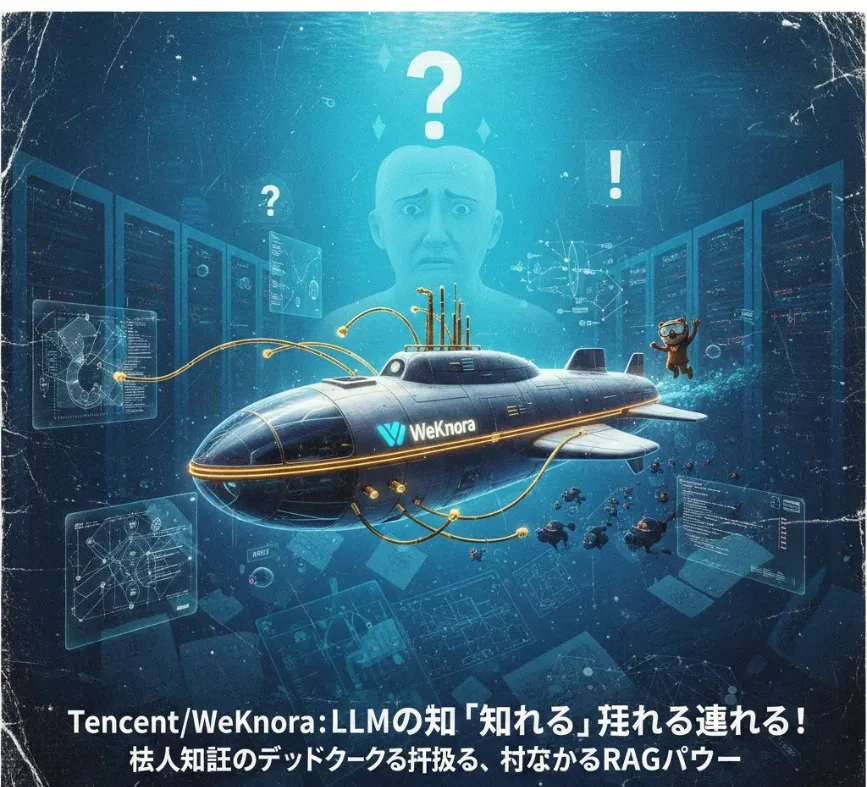
Building Context-Aware Systems: A Software Engineer's Guide to WeKnora (Go, RAG, Multi-Tenant)
This framework is essentially a robust, Go-based platform designed to make it much easier to build sophisticated, production-ready applications powered by Large Language Models (LLMs), focusing specifically on deep document understanding and providing context-aware answers

The Software Engineer's Deep Dive into LLM-Powered Agent Architectures
This project, titled "《从零开始构建智能体》——从零开始的智能体原理と実践教程" (Building Agents From Scratch A Tutorial on Agent Principles and Practice), is designed to be a comprehensive

Storing, Retrieving, Reflecting: Essential Memory Management for LLM Agents with Memori
As a software engineer, you can see Memori as a crucial component for building more sophisticated, stateful, and context-aware AI applications

Beyond Statelessness: Integrating Persistent Memory with Memori for LLM Applications
Here is a friendly, detailed breakdown of how Memori can benefit you, along with guidance on adoption and sample code, all from a software engineer's perspective
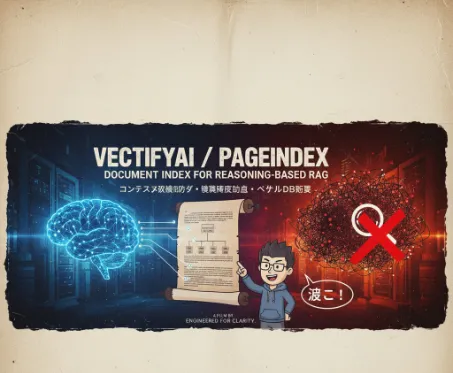
Beyond Vectors: Implementing Structured Document Indexing with VectifyAI/PageIndex
PageIndex is a reasoning-based, vectorless RAG framework. Unlike traditional RAG that relies on vector databases and "semantic similarity

Mastering LLM Fine-Tuning with QLoRA and LLaMA-Factory: A Practical Approach for Developers
This repository is essentially a unified, efficient, and easy-to-use toolkit for fine-tuning a huge variety of Large Language Models (LLMs) and Vision-Language Models (VLMs). Think of it as a specialized

From Zero to Adaptive: Using Agent-lightning for Seamless RL-Based Agent Optimization
Here is a breakdown from a software engineer's perspective, covering its benefits, implementation, and a simplified code example

Implementing DeepChat: Secure Backend Integration for Conversational AI
DeepChat is essentially a highly customizable, open-source chat component designed to connect your application's frontend with various powerful AI models and services (like OpenAI

How DearVa/Everywhere Boosts Software Development with Multi-LLM Context
Based on the description "A context-aware AI assistant for your desktop. Ready to respond intelligently, seamlessly integrating multiple LLMs and MCP tools
Boost Productivity: Advanced Prompting Techniques for Software Engineers
This guide is essentially your go-to reference for mastering the art of "programming" large language models (LLMs) using natural language

The Engineer's Guide to Coze Studio: Accelerating AI Agent Development with APIs and Workflows
Coze Studio is an all-in-one AI agent development platform. For a software engineer, it serves as a powerful abstraction layer